
Report position
Company-reported, not independent
TaskRabbit publishes the summary itself. No outside auditor signs the number, and our pages say so every time we quote it.
Independent guide · updated November 2026
TaskRabbit's own trend report says completed jobs rose 21% year over year. Here is what that claim covers, what it leaves out, and how to use it before you book a Tasker.
Where the numbers come from
The figures come from TaskRabbit's trend reporting, published on the company blog as To Each Their Home: The 2026 TaskRabbit Trend Report.
How we attribute and correctReport position
TaskRabbit publishes the summary itself. No outside auditor signs the number, and our pages say so every time we quote it.
What it is good for
Trend reports show which categories the company is highlighting this year. They rarely publish the sampling method in the summary.
What it leaves out
The public summary carries no metro-level breakdown, no average ticket, and no cancellation detail. Those gaps set the ceiling on what anyone should conclude.
Our stance
Use the report to plan a season or a skill. Check live availability in your own ZIP before you set a budget or a date.
What reportedly grew
Growth in bookings is not equal availability. Supply follows Tasker density, and that map looks very different block by block, city by city.
What 21% does and does not prove
A 21% rise in total completed jobs describes volume on the platform year over year. It does not prove prices fell, quality rose, or wait times shortened, and it does not break out cancellations, rebooks or repeat visits. If you are budgeting, treat the number as context, not as a quote.
It does say
It does not say
Your cost depends on scope, access, materials and local rates. Post the job with the details and get a scoped estimate before you commit to a date.
Seasonal timing matters
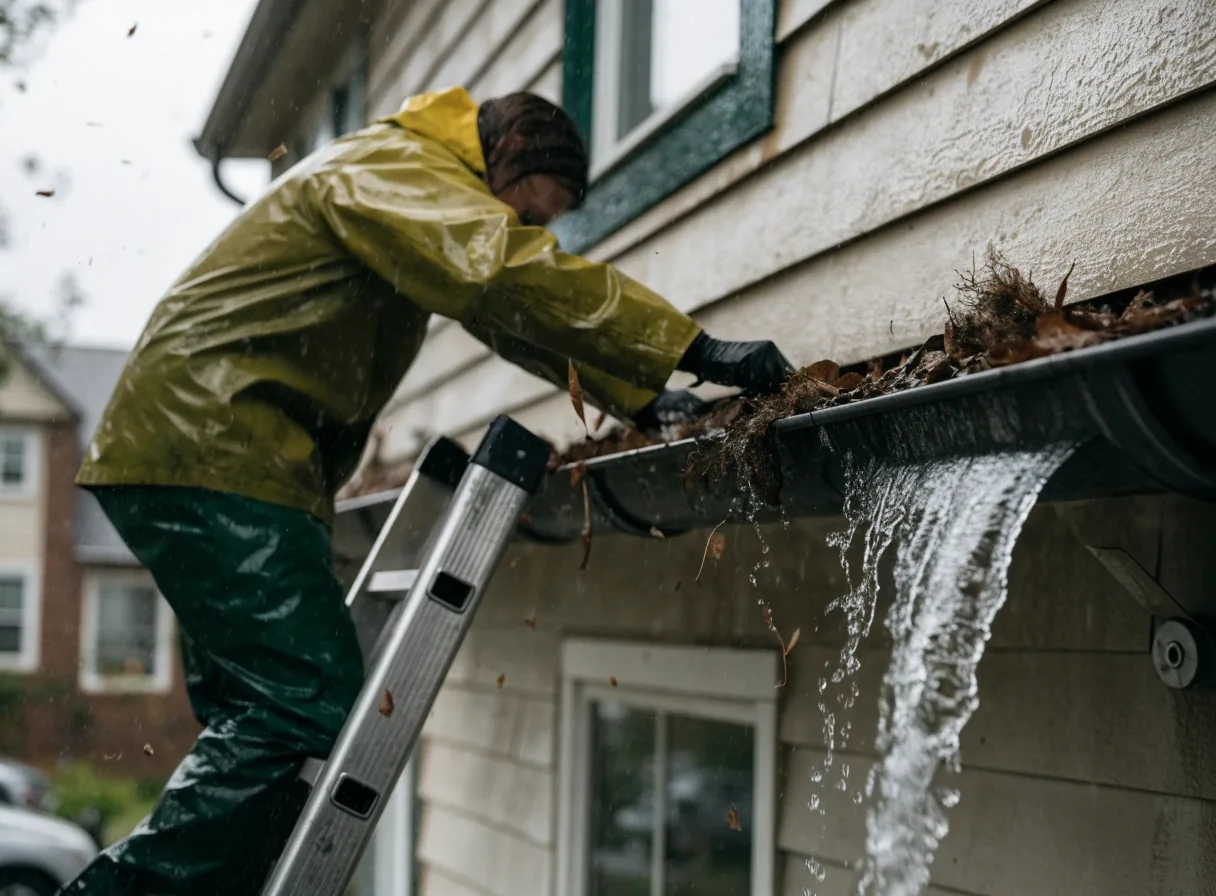
Book seasonal work early and describe access clearly. Photos of the yard, stairwells and parking save a trip and a reschedule, and Taskers can plan tools and crew when they can see the site.
Yard Work
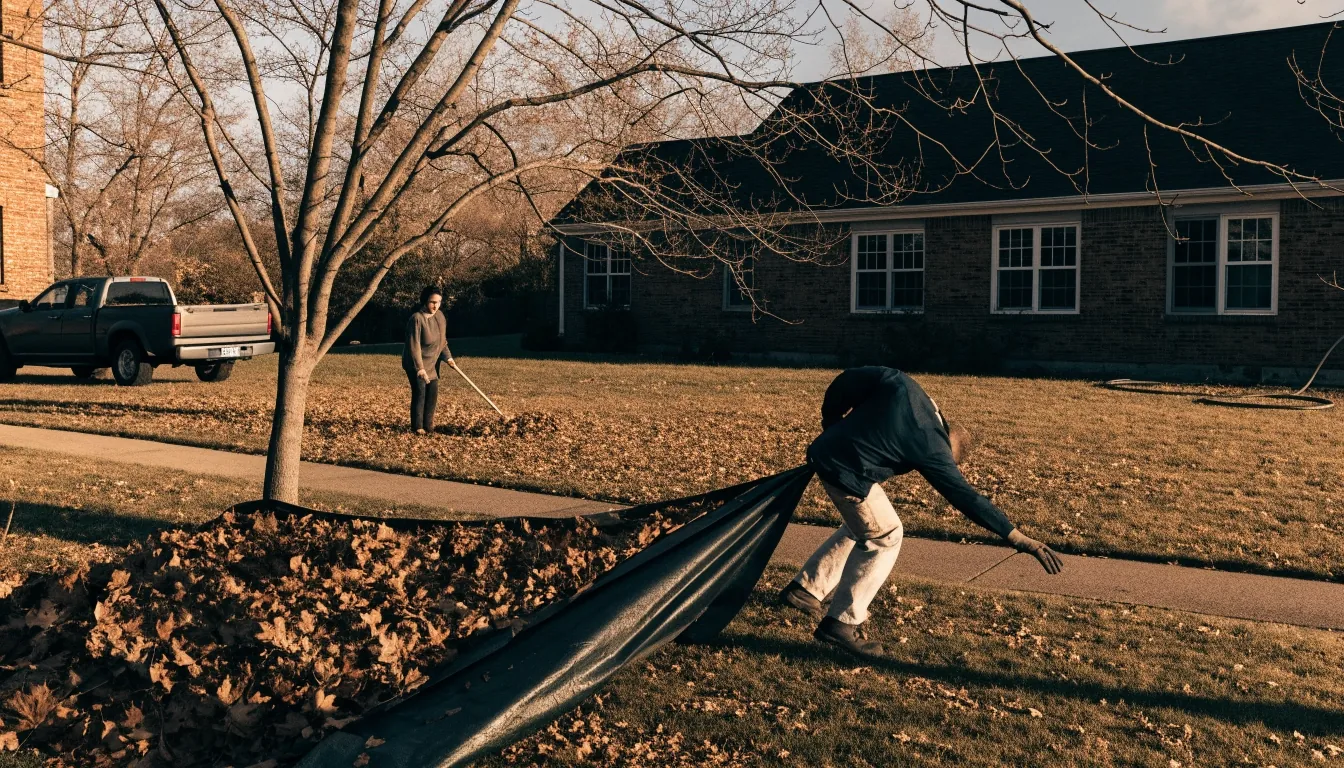
Leaf season, mowing and storm cleanup all cluster into the same few weekends. Ask early in the season.
Cleaning
Turnover cleans and pre-host refreshes stack up fast. State bedrooms, baths, laundry, pets.
Furniture Assembly
New lease, new desk, new bed. Listing the brand and model lifts the odds of a one-visit job.
Plumbing Help
Small fixes and swaps run year-round, with added enquiries after a cold snap or during a remodel.
For customers planning a project
Compare profiles for similar jobs, not just overall stars. Message about timing and scope before confirming, and keep the chat on-platform so there is a record if plans change.
Browse the service categoriesWhich room, what is being assembled, its dimensions, whether there are stairs, and where a van can park.
Brackets, screws, shelf brackets, cleaning supplies. Confirm what is on site and what the Tasker should bring.
Look at past jobs that look like yours. For assembly, list brand and model if you have it. For cleaning, state bedrooms, baths, laundry and pets.
Ask about the window that works, and keep messages on the platform. If plans change, there is a record of what was agreed.
For Taskers reading demand signals
Category growth suggests where enquiries may cluster, especially around moves and seasonal cleanups. New-city expansion can also shift demand as menus widen beyond the initial 11 core categories. National direction is a starting point, not a schedule.
List the trades you can actually finish, and refresh photos so the work speaks for itself.
Keep your radius honest. A job across town at rush hour is worse than a nearer one at the same rate.
If a yard or plumbing-adjacent task sits outside your kit, say so before you accept and let it go to the right Tasker.
Limits and open questions
We do not have independent verification of the 21% figure beyond TaskRabbit's own reporting. There is no third-party audited number behind it in our pages.
City-level breakdowns, average job values and cancellation detail are absent from the summary. Those gaps limit what anyone should conclude, ours included.
We will update this guide if TaskRabbit publishes methodology or additional cuts. Until then, use the report for pattern, not for precision.
If a number looks dated to you, send the URL and a source. The correction runs openly, with a dated note you can check.
How this connects to other stories
National direction plus local supply tells the real story. This report on its own only tells half of it.
Growth
The shorter business-angle version of the same report.
Read the growth summaryExpansion
Where new supply may come from, and how menus widen as cities open.
Read the expansion storyNiche
How a narrow demand can rise inside a broad growth trend.
Read the cat projects storyProcess
Background on how support and claims actually work when something goes wrong.
Read the claims explainerSources and further reading
Primary source is the TaskRabbit blog trend report. Secondary context includes home-design coverage citing TaskRabbit data. For email summaries of future reports, consider the Newsletter.
What to do next on this site
Cross-check before you book
A trend report and a live availability check answer different questions. One says what people did last year, the other says who can come on Saturday morning.
The report answers
The check answers
A note on independence
Task-Rabbit.news is independent and not affiliated with TaskRabbit. We summarise company claims in our own words and keep attribution visible. No brand approves this guide.
That stance lets us cover growth and gaps on the same page. Readers get both the headline and its limits, and we fix factual errors openly under our editorial standards.
About this siteKeeping this guide current
We review this guide when TaskRabbit posts new figures or opens new cities. Material changes get a dated note so you can tell what is fresh and what has drifted.
Spotted an outdated sentence? Send the URL and a source through Contact, and we will correct it under our editorial standards.
Contact with local data