Task-Rabbit.news Task-Rabbit.news
A lit apartment window above a dark residential street at night, seen from across a dark room.

Dispatch — November 2026

Why are cat walls suddenly everywhere?

A November 2026 design story cited TaskRabbit trend data showing more cat-related booking interest — catios, cat houses, cat shelves and wall installations. This guide explains what is driving cat-focused upgrades and how to plan one that landlords, cats, and stud finders can all live with.

On the board tonight

The builds people are asking Taskers for

Reported demand clusters into a handful of repeat jobs — most of them small carpentry with real anchoring behind them.

Exterior build

Catios

Screened outdoor runs from window-box bump-outs to patio enclosures. Weather-resistant lumber, secure mesh, and a human-sized door for cleaning.

Multi-visit · materials lead time

Interior build

Cat houses

Enclosed cubbies on the floor or a low wall. The draw is a dark, covered nook with one clear way in and out, and a cushion that washes.

Usually a single visit

Vertical build

Cat shelves

Stepped platforms anchored into studs. Staggered heights, a soft landing, and clearance away from swinging doors and hot radiators.

One to two visits

Link build

Wall runs

Bridges that tie shelves, a scratching post, and a perch into one route across the room — mostly so the floor stays clear in a small apartment.

Depends on span and anchor points

Repair

Scratch-post swap

Replacing a shredded sisal post, tightening a wobbling tower, or re-anchoring a shelf that has started to pull out of drywall.

Short visit · hardware often reused

Aftercare

Cleanup and covers

Washable covers, a vacuum-friendly layout, and a cleaning pass booked alongside the build — the part allergy-conscious homes ask for.

Often booked as an add-on

Counts and prices vary by scope · nothing on this list is a quote

What the data reportedly shows

A signal, not a headcount

Design reporting pointed to TaskRabbit trend data with rising interest in cat-specific builds. Catios extend indoor space to a screened outdoor nook. Cat houses and shelves add vertical territory inside. Wall installations tie runs together across a room.

We treat these as reported interest signals, not a census of pet ownership. They show what people are asking Taskers to build, which is useful even without exact counts.

Where public summaries stop short of city breakdowns or booking counts, the pattern is still readable in what the jobs themselves look like. A rise in cat-wall requests tells you something about apartment living, rental limits, and how far a household will go to make a small place work.

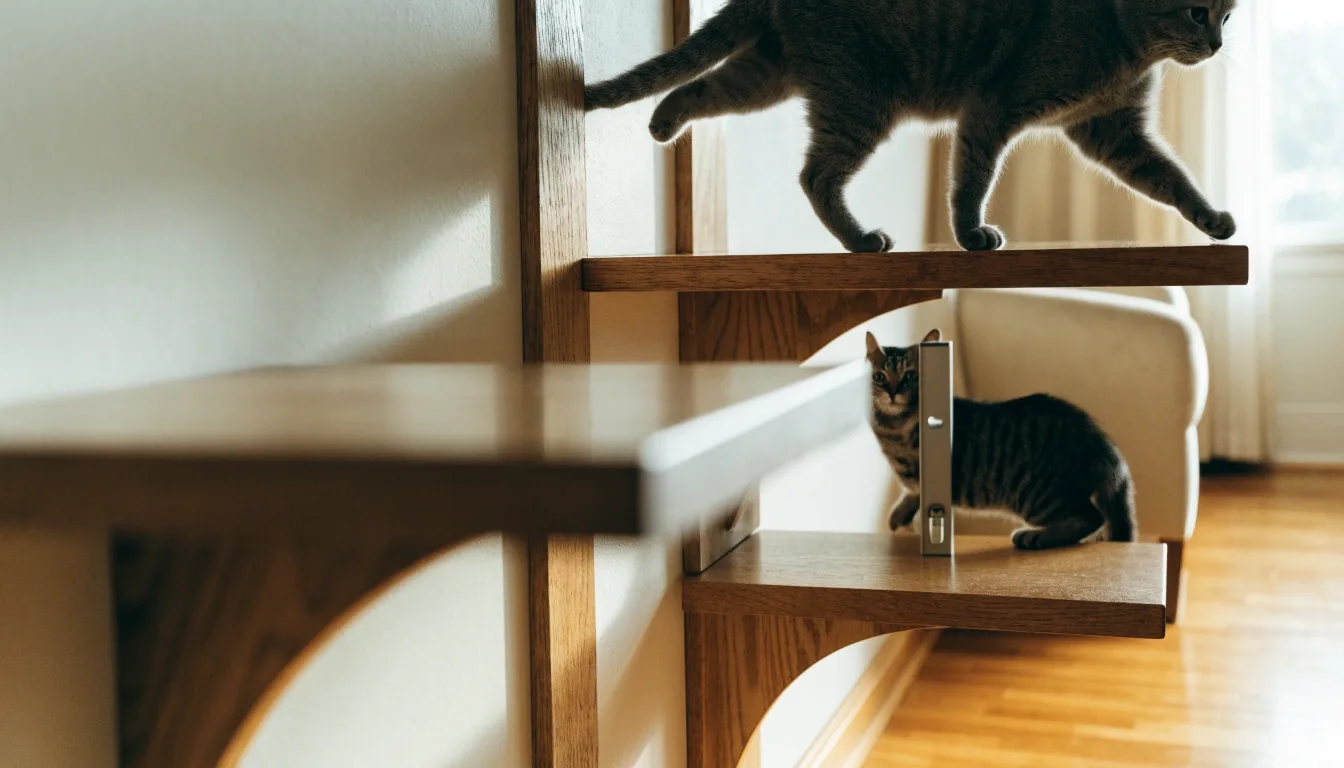
A cat walking along a wall-mounted shelf bridge while a Tasker checks a bracket with a level below.
Wall runs are anchored into studs, never into drywall alone — the level is on the second bracket here.

Why cats drive carpentry

Cats prefer height, sun, and a clear escape route. A shelf near a window beats a bulky tower in the middle of the room. A catio gives fresh air without free roaming. Wall-mounted runs keep floors clear in small apartments.

Behavior explains the form. Climbing, scratching, and perching are needs, not decor. Builds that respect those habits get used. Builds that ignore them become expensive wall art.

That is the practical reason a Tasker's work on a cat build looks closer to cabinetry than to decorating: it is load-bearing, it has to be climbed on, and the animal decides within a week whether it works.

Who tends to take these jobs

The specialists the board routes them to

Cat builds sit between handyman work, light carpentry, and installation. Look for the categories that carry anchoring and finish, not a single "pet stuff" label.

A handyman standing by a workboard with a drill, level, tape measure and anchors laid out beside him.

Handyman

Shelf runs, brackets, tightening, and the small repairs that follow a first install.

Wall anchoring · bracketry · finish

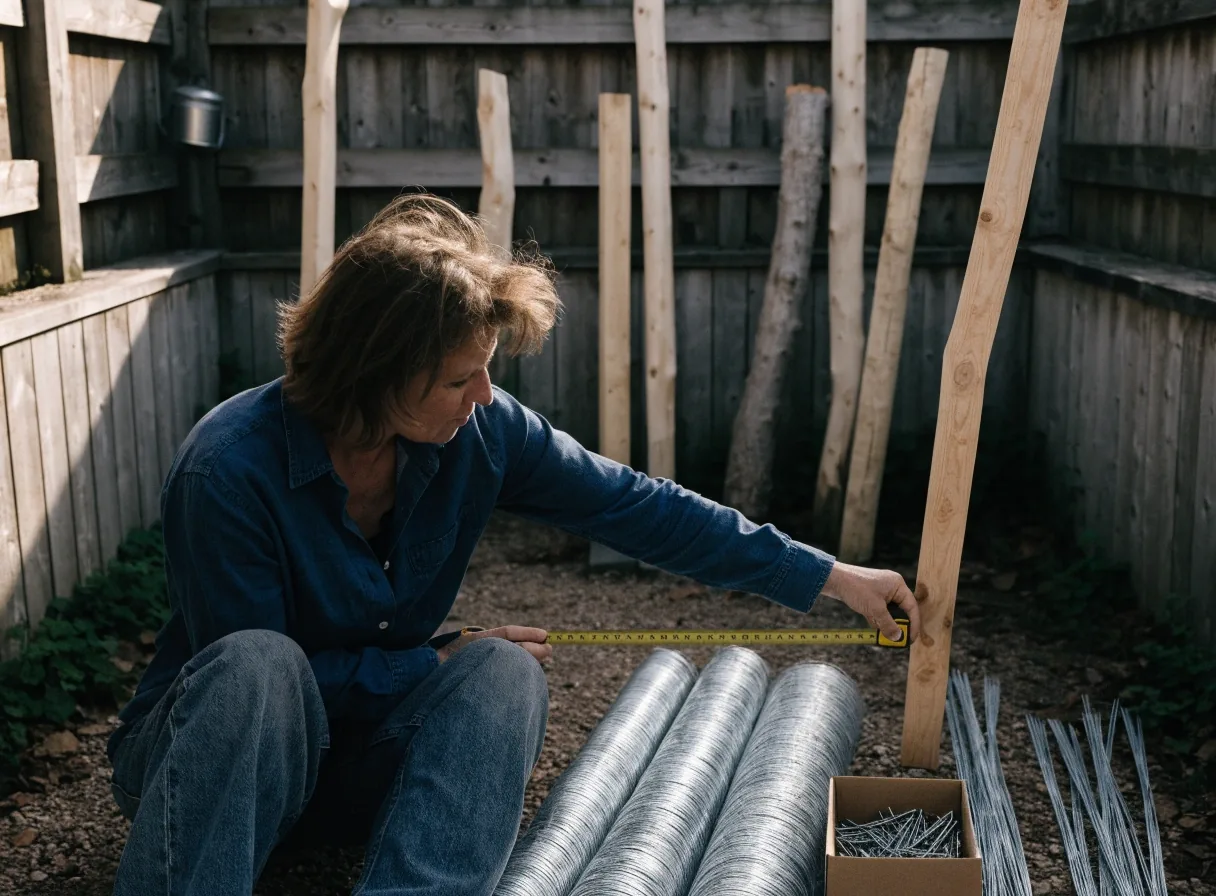
A woman measuring a timber frame on a small patio with rolls of wire mesh and exterior screws nearby.

Outdoor carpentry

Catios, screened enclosures, and patio builds where weather and mesh quality carry the job.

Framing · mesh · latches

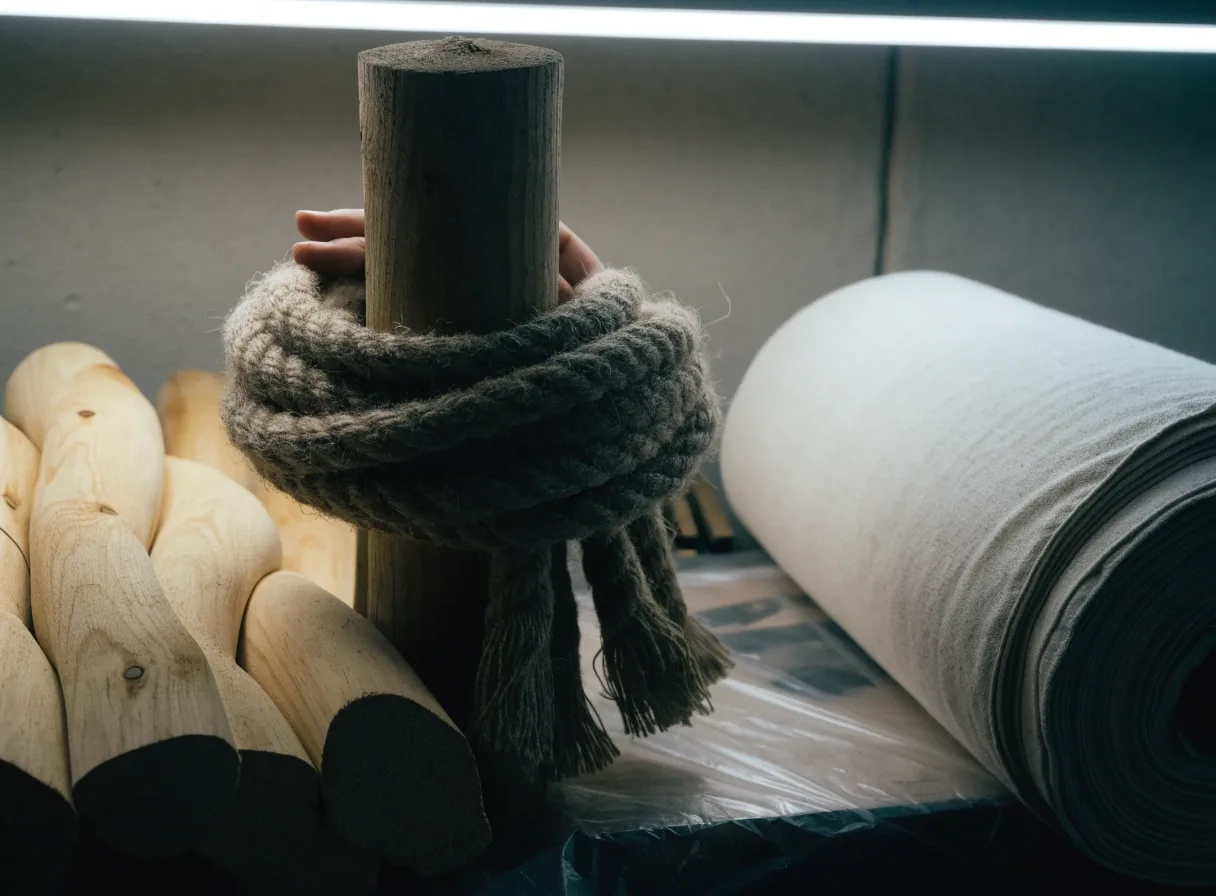
A hand resting on sisal rope wrapped around a wooden post, with oak lengths and washable fabric beside it.

Materials and finish

Sisal, unfinished wood, and washable covers — the surfaces cats actually use instead of ignoring.

Sisal · timber · washable fabric

Planning a booking that works

Eight steps before anyone drills a hole

Order matters here. A screening call after the anchors are set is a repair, not a planning step — so walk these in the order the job wants them.

  1. Step 01

    Measure the wall and note stud positions

    If you already know where the studs are, say so in the job post. If you do not, a Tasker can find them on site — but knowing the wall width and the window position up front saves a second trip for one bracket.

  2. Step 02

    Share photos of the window, wall and patio

    Two or three clear photos tell a Tasker more than a paragraph. Include the ceiling height near the run and whether the wall is drywall, plaster, brick, or tile.

  3. Step 03

    List cat count, ages, and weights

    Weight ratings are real. A shelf that holds books may still fail under a running jump — so the Tasker needs the heaviest cat in the house, not the smallest, to size supports.

  4. Step 04

    State who supplies lumber, brackets and mesh

    Confirm who buys what and who hauls away offcuts. Clear scope prevents a second trip for one bracket and keeps the labour-versus-materials split honest on the invoice.

  5. Step 05

    Ask about wall repair expectations up front

    Especially in rentals. Get patch-and-paint terms in chat before drilling, so you know what the wall will look like when the run comes down.

  6. Step 06

    Keep the conversation on the platform

    Chat on-platform for the record. If a question about scope, materials, or repair terms never made it into the thread, it never made it into the booking.

  7. Step 07

    Ventilate finishes before cats explore

    Paint, stain, and strong adhesives near noses are a bad mix. If anyone in the home has allergies, pair the build with a cleaning plan — washable covers and a vacuum-friendly layout help.

  8. Step 08

    Watch the first week of use

    Tighten hardware after initial climbing settles the structure. Keep a small kit with spare anchors and touch-up paint — the first week is when a shelf tells you whether the anchoring was right.

Renters and HOA limits

What has to be true before you drill

Most of the friction on a cat build is paperwork, not carpentry. Two minutes with the lease beats a repair bill later.

Before you book

  • Many leases restrict exterior changes, drilling in tile, or patio enclosures. Get written approval — it beats verbal every time.
  • Some HOAs limit visible structures. Check before picking a catio design, not after the frame is built.
  • If drilling is banned, say so in the job post to filter for workarounds — such as freestanding pieces that still need tip-over protection.
  • Do not ask a Tasker to break building rules. A polite no on a lease term is cheaper than the fix.

Safety checks before cats move in

  • Tug-test every mount. Cap screw ends. Check mesh edges for sharp points before you let anyone up on the run.
  • Confirm doors latch from both sides where kids are involved — a catio latch that only works from outside is a hazard.
  • Watch the first week of use. Tighten hardware after initial climbing settles the structure.
  • Keep a small kit with spare anchors and touch-up paint on hand. The first climb tells you more than the anchor spec sheet.

Materials cats actually tolerate

What the surface has to be

Sisal, unfinished wood, and washable fabrics get more use than slick laminates. Avoid exposed staples, loose loops, and strong adhesives near noses.

  • Sisal rope

    The default scratching surface. Wrap it tight and replace it when it frays — loose loops catch claws and end up chewed.

  • Unfinished wood

    Oak, birch, or pine without a heavy film finish. Comfortable under claws, and it takes a wipe-down without dulling like a laminate.

  • Washable fabric

    Removable covers on cushions and hammocks in the run. Small choices at install time save weekly hassle for allergy-conscious homes.

  • A note on finishes

    Ventilate fully before letting cats explore. Paint and stain near noses is the part of a build that people skip and regret — plan a dry day into the schedule.

A dark office at night with a single overhead strip light and a window at the far end still carrying city light.

Cost and time expectations

We do not publish price quotes — scope varies too much

A two-shelf run is an afternoon. A catio is a multi-visit project with materials lead time. Custom paint or trim adds drying days on top of install days, so a build with a fresh finish almost always takes longer than the sawdust part suggests.

Get an itemized sense of labour versus materials, and confirm who buys what and who hauls away offcuts. Clear scope prevents a second trip for one bracket — and keeps the number you agreed on the number you pay.

Editorial note — no quotes, no promises, no published figures we cannot verify

How this trend fits 2026 demand

Personalization inside upkeep

Broad home-services demand reportedly grew, with a 21% year-over-year rise in completed jobs cited in TaskRabbit's 2026 trend reporting. Cat projects are a niche inside that rise, showing personalization within upkeep: people fix the home and then fit it to the household.

The main trend guide carries the big picture; this page carries the whiskered detail. Both cite the same reporting family without mixing claims, so the two read together rather than against each other.

Read the 2026 trend guide

Sources and what is still unknown

Directional, not exact

  • We have

    A November 2026 design story and the TaskRabbit trend report it cites.

  • We lack

    City breakdowns and exact booking counts in the public summaries.

  • What that limits

    Precision — but not usefulness. Treat the pattern as directional until category cuts for pet builds are released.

  • What we will do

    Update this page if TaskRabbit releases category cuts for pet builds.

Independence statement

Task-Rabbit.news is an independent information resource

We are not affiliated with TaskRabbit. We report on the platform, the people who work through it, and what customers experience — the same way a trade publication covers the industry it watches. Our sources for this page are named above; corrections and additions are welcome.

Send city, materials, and lessons learned via Contact. Tips with photos of builds you have rights to share help future coverage.

2815 Providence Road, Charlotte, NC 28211 · Monday–Friday, 9:00 AM – 6:00 PM

Published November 2026 · Task-Rabbit.news

Dispatch desk

We count visits with cookies to see which stories get read. How we use them