Task-Rabbit.news Task-Rabbit.news
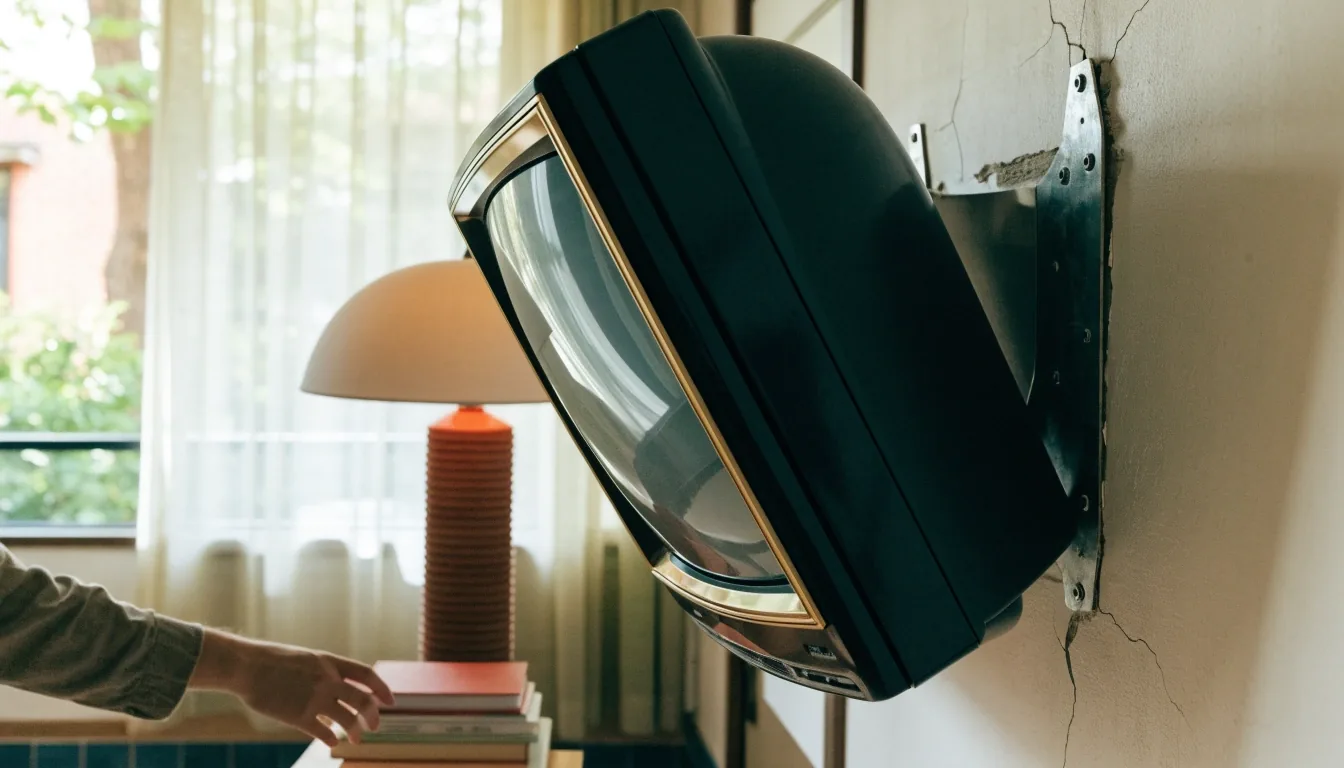
A large TV hanging crooked on a cracked wall mount with a hand reaching toward it in a living room

Claims process explained

What happens when a mounting job goes wrong?

A November 2026 story described a customer alleging that a TaskRabbit TV mounting job damaged a bathroom wall and shower. Here is the documentation and the timing that reporting discussed.

What was reported

One case, two open questions

Reporting describes an allegation, not a finding we verified independently. The customer claimed wall and shower damage linked to a TV mounting visit. Details beyond that summary remain with the parties and the platform's review.

We include the case because it raises practical questions many readers share. What should you save? How fast should you act? Where do you file? Those answers hold up regardless of how one dispute resolves, and they are the reason this page exists.

Alleged damage

Bathroom wall and shower area, linked by the customer to a TV mounting visit.

What we can say

An allegation was reported. We did not inspect the property and do not decide the outcome.

Why mounting jobs carry risk

A TV mount is a heavyweight hung on a surface nobody opened up first. That is where the trouble usually starts.

TV mounting combines heavy loads, wall structure, hidden pipes and wires, and precise anchors. Tile and shower-adjacent walls add waterproofing concerns. A mistake can be cosmetic, or it can break a membrane that keeps water out of the wall behind it.

That is why scoping matters before anybody drills. Wall material, mount type, TV size and stud locations should be confirmed up front. Photos of the wall help the Tasker bring the right hardware instead of improvising at the door.

  • Wall material

    Drywall, plaster, tile or concrete decide the anchor and the drill bit. Say which one before the visit.

  • Hidden runs

    Pipes and wires sit behind the surface. A stud finder and a moisture check belong in the plan.

  • Load and mount

    TV weight and VESA pattern have to suit the bracket, including a tilt or full-motion arm.

  • Wet walls

    Shower-adjacent tile carries a waterproofing layer underneath it. Ask how it stays intact.

Documentation to collect from day one

Most claims turn on what you can show, not on how strongly you feel about it. Keep the record as the job runs, not after something breaks.

  1. Before

    Photograph the wall as it stands.

    Wide shot of the room and a closer one of the mounting spot. Note anything already cracked, painted over or newly patched, and the date you saw it.

  2. During

    Keep the paper trail of the booking itself.

    Save the job confirmation, the chat log, the Tasker's name, the visit date and the service address. Screenshot the chat before the thread scrolls away.

  3. After

    Photograph the finished wall and everything you bought.

    Completion shots of the mount and the cable run. Receipts for the mount, the TV and any repair quote you request, kept together in one folder.

  4. If it breaks

    Shoot the damage in daylight, from several angles.

    Put a ruler or a coin in one frame for scale. Note when you first saw it and what changed since the visit. Notes written at the time carry more weight than a summary typed weeks later.

The filing window

The 30-day filing point discussed in coverage

The article said eligible property-damage claims under TaskProtect must be filed within 30 days of the task. We repeat that as a reported term, not as current legal text. Terms can change and eligibility has conditions attached to it.

The practical lesson is the direction of travel: act quickly, and confirm the current window inside TaskRabbit's official support pages before you rely on any summary, including this one. Do not wait for a repair to finish before you start the filing. You can add documentation as the repair progresses.

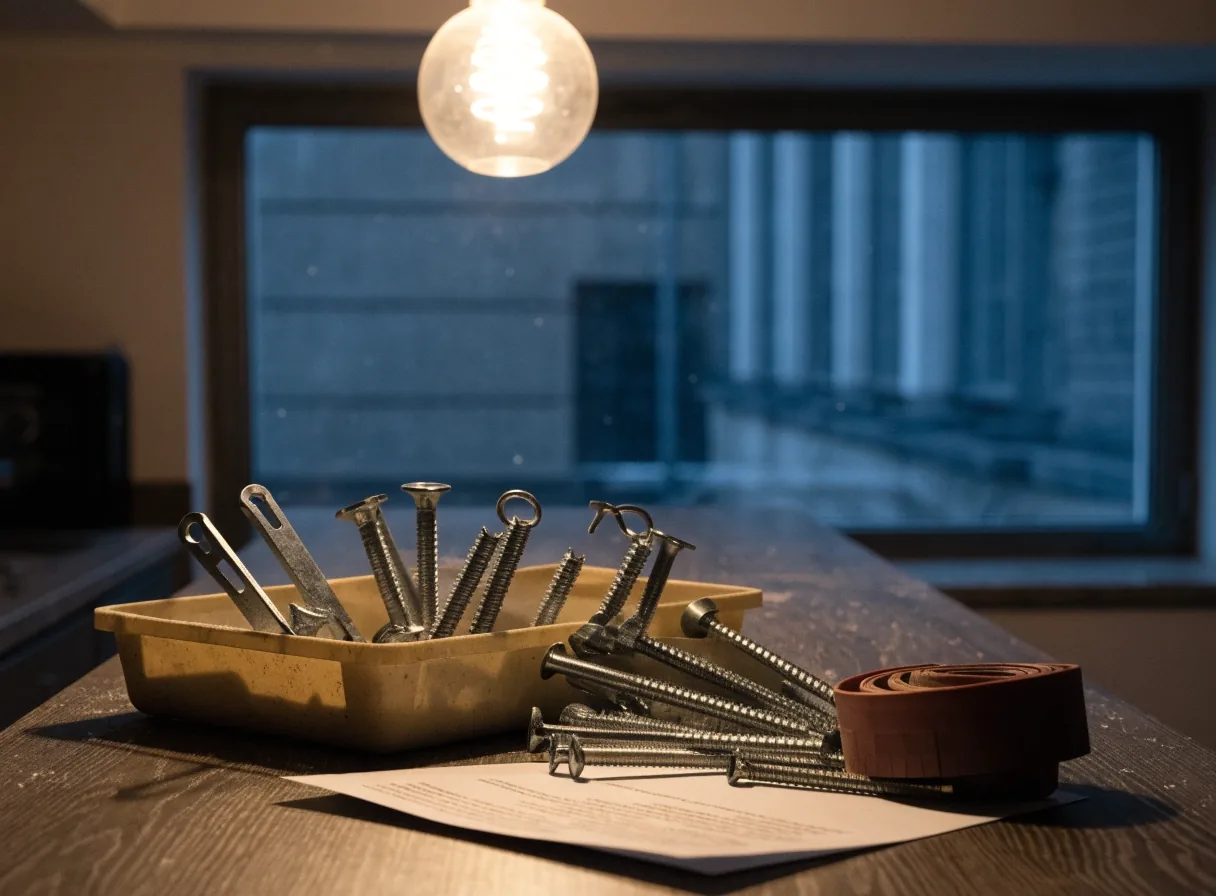
Wall anchors, screws and a tape measure laid out on a kitchen counter during a mounting job

Keep the receipts for the mount and the screen in the same folder as your photos. Proof of cost is one of the things a reviewer asks for.

How support review was described

Coverage said the support process may ask for photos, receipts and other documentation. That matches how property claims are normally handled: proof of task, proof of damage, proof of cost.

Organize your files by date and name them plainly. A reviewer opening a folder called by the visit date finds what they need faster than one scrolling a camera roll.

What a file set usually answers

Was there a booked task?
The confirmation and the chat log carry the date, the address and the person who attended.
Is the damage shown clearly?
Daylight photos from more than one angle, one of them with a ruler for scale, and the date you first noticed it.
What will the fix cost?
A written assessment from a qualified trade, materials and labor separated, plus the receipts for what was bought.
Does the timeline hold together?
Notes and photos dated as they happened, not assembled afterwards. Keep communication on-platform where you can.

If you speak with support by phone, follow up with a written summary in chat or email. A clear timeline helps any reviewer pick up the thread.

Steps if you see damage now

Order matters more than speed here. Photograph the starting condition before anything is moved or opened up.

  1. Stop using anything that could compound the damage.

    If water or electrics may be involved, leave the fixture alone and keep the area dry until someone qualified looks at it.

  2. Photograph before you touch.

    Wide shots of the room, close shots of the damage, one frame with something for scale. Then make a short written note of when you saw it.

  3. Open the claim through official support channels.

    Start the record early even if the estimate is not final. You can keep adding photos, receipts and quotes as they arrive.

Getting a repair assessed

Ask one or two qualified trades for a written assessment. Have materials and labor listed separately, and keep the assessment in writing rather than a verbal estimate over the phone.

Do not authorize a destructive investigation, such as opening a wall to trace a leak, without documenting the starting condition first. Once the wall is open, the original appearance of the damage is gone.

Where the limits sit

Damage that appears long after a visit is harder to tie back to the work. That is one more reason the notes you write in the first days matter to any conversation that follows.

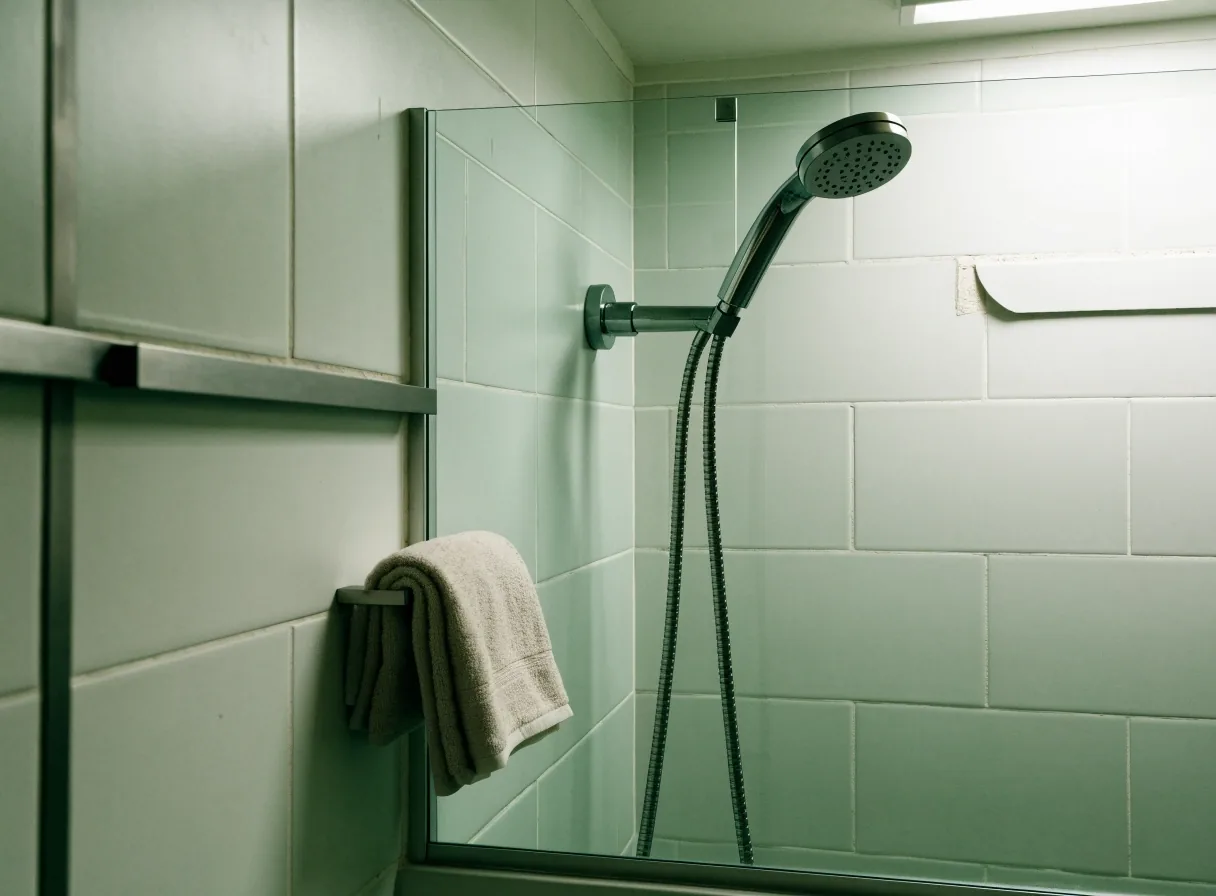
A bathroom tiled wall beside a glass shower screen with one tile edge lifting slightly away from the wall

On a shower wall, the waterproofing layer sits behind the tile. A small cosmetic crack can mean more than it looks like.

Preventing the next incident

Ask about wall material, stud finding and anchor type before approving any drilling. Confirm who supplies the mount, and whether it suits your TV's weight and VESA pattern. Flag tile, plaster, metal studs or shower-adjacent walls explicitly in the job description so nobody arrives expecting plain drywall.

For bathrooms, ask how the waterproofing will be protected. If the answer is vague, pause and ask again in the chat. A delayed job costs less than a shower rebuild.

Ask before you approve

What is behind the wall, and how will the anchor reach something solid?

Write it in the request

The clearer the job description, the fewer surprises when the door opens.

Keep the record running

The same photos and receipts that protect a claim also make the next job easier to quote.

Limits of this explainer

Independent, and not affiliated

We are independent and not affiliated with TaskRabbit. We do not decide claims, interpret TaskProtect, or provide legal advice. Support terms differ by region and change over time, so what applied to one case in one market may not describe what happens in yours.

Use this page to build good habits around photos, receipts and dates, then verify the current rules with TaskRabbit support. Save the links and the dates of anything you rely on, so you can point back to the version you read.

What we cover

Reported platform news, service categories, specialist profiles and customer experiences around booking home services.

What we do not do

We do not handle claims, act for either party, or give advice you should rely on in place of the platform's own support.

Where to go next

Have a documented experience, or want to read how other customers describe their bookings?

The archive carries the running coverage of platform changes and customer stories. If something happened on your own job that other readers would learn from, send it in with your dates and photos.

Browse service categories / How we report / About Task-Rabbit.news

Dispatch desk

We count visits with cookies to see which stories get read. How we use them